Understanding the differences between tonsillitis vs tonsil stones is crucial for anyone experiencing throat discomfort or related symptoms. While both conditions can cause similar sensations, they have distinct causes, symptoms, and treatment options. If you are unsure whether you are dealing with tonsillitis or tonsil stones, this guide will help clarify these two common issues and provide insight into when to seek medical advice.
Ms. Aphrodite Iacovidou, a leading ENT consultant surgeon practicing in West and Central London, has extensive experience in diagnosing and treating a variety of ear, nose, and throat conditions, including both tonsillitis and tonsil stones.
What Is Tonsillitis?
Tonsillitis is an inflammation of the tonsils, two oval-shaped pads of tissue at the back of the throat. This condition is often caused by viral or bacterial infections and is most common in children but can occur in individuals of all ages. According to the NHS, approximately 1 in 10 children experience tonsillitis annually, highlighting the prevalence of this condition. Understanding the symptoms and causes of tonsillitis is essential for proper diagnosis and treatment.
What Are the Symptoms of Tonsillitis?
The symptoms of tonsillitis can vary depending on the underlying cause but commonly include:
- Sore throat
- Swollen tonsils that may appear red or have white patches
- Difficulty swallowing
- Painful swallowing
- Fever
- Bad breath
- Swollen lymph nodes in the neck
- Headache
What Causes Tonsillitis?
Tonsillitis can be caused by a variety of infectious agents, including:
- Viruses: The majority of tonsillitis cases are caused by viral infections such as the common cold or influenza.
- Bacteria: Streptococcus bacteria, particularly Group A Streptococcus, is a common bacterial cause of tonsillitis.
- Allergens: Allergic reactions can lead to tonsil inflammation.
- Environmental irritants: Pollution, smoke, and other irritants can contribute to tonsillitis symptoms.
How Is Tonsillitis Diagnosed?
Diagnosis of tonsillitis typically involves a physical examination and a review of the patient’s symptoms. A healthcare professional may:
- Examine the throat for redness and swelling
- Check for white patches or pus on the tonsils
- Palpate the neck for swollen lymph nodes
- Perform a rapid strep test or throat culture to determine if a bacterial infection is present
What Are the Treatment Options for Tonsillitis?
Treatment for tonsillitis depends on the underlying cause:
- Viral tonsillitis: Usually resolves on its own; treatment focuses on relieving symptoms with over-the-counter pain relievers, throat lozenges, and warm saltwater gargles.
- Bacterial tonsillitis: Typically treated with antibiotics if caused by a bacterial infection. It is essential to complete the full course of antibiotics as prescribed.
- Severe or recurrent cases: In some instances, a tonsillectomy (surgical removal of the tonsils) may be recommended. Studies indicate that tonsillectomy can reduce the incidence of recurrent tonsillitis by up to 75% in children.
What Are Tonsil Stones?
Tonsil stones, or tonsilloliths, are hard deposits that form in the crevices of the tonsils. They are often composed of bacteria, food particles, dead cells, and mucus. While they may not always cause symptoms, they can lead to discomfort and other issues. Research shows that approximately 10% of people will develop tonsil stones at some point in their lives.
What Are the Symptoms of Tonsil Stones?
Common symptoms of tonsil stones include:
- Bad breath (halitosis)
- Sore throat
- Difficulties swallowing
- Ear pain
- Visible white or yellow lumps on the tonsils
- Persistent cough
What Causes Tonsil Stones?
Tonsil stones may develop due to several factors, including:
- Poor oral hygiene
- Chronic tonsillitis or enlarged tonsils
- Gaps or crevices in the tonsils that trap debris
- Diet high in dairy or processed foods
How Are Tonsil Stones Diagnosed?
Diagnosis of tonsil stones involves a physical examination of the throat, where a healthcare provider looks for visible stones and assesses the tonsils. They may also ask about symptoms to determine the best course of action.
What Are the Treatment Options for Tonsil Stones?
Treatment options for tonsil stones may include:
- Home remedies: Gargling with saltwater or using a water flosser can help dislodge stones and alleviate symptoms.
- Manual removal: In some cases, a healthcare provider may remove the stones using a cotton swab or a similar tool.
- Tonsillectomy or tonsillotomy: For recurrent or severe cases, surgical removal or reduction of the tonsils may be considered.
How to Differentiate Between Tonsillitis and Tonsil Stones?
While tonsillitis and tonsil stones share some overlapping symptoms, there are key differences that can help you distinguish between the two:
What Are the Key Differences in Symptoms?
Understanding the specific symptoms can aid in identifying the condition:
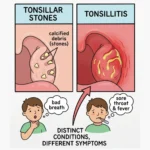
- Tonsillitis: Characterised by a sore throat, fever, swollen tonsils, and difficulty swallowing.
- Tonsil Stones: Often present with bad breath, a sensation of something stuck in the throat, and visible white/yellow deposits.
When Should You Seek Medical Attention?
If you are experiencing symptoms of tonsillitis or tonsil stones, it is important to consult a healthcare professional. Seek immediate medical attention if you experience:
- Severe difficulty breathing or swallowing
- High fever that does not respond to medication
- Persistent or worsening symptoms
- Signs of dehydration
How Can You Prevent Tonsillitis and Tonsil Stones?
While not all cases can be prevented, there are steps you can take to reduce your risk of developing tonsillitis and tonsil stones:
- Maintain good oral hygiene by brushing and flossing regularly.
- Stay hydrated and consume a balanced diet.
- Avoid smoking and exposure to secondhand smoke.
- Practice good hand hygiene to reduce the risk of infections.
Conclusion
Understanding the differences between tonsillitis vs tonsil stones can help you identify your symptoms more accurately and seek appropriate treatment. If you are experiencing throat discomfort or have concerns about your symptoms, it is advisable to consult a specialist.